The Budget and Your First Home: What Was Announced for Buyers and Landlords.
The Budget on Wednesday 28 October set out the final details of Your First Home, the new scheme for first-time buyers, along with changes that matter to landlords. For buyers and landlords in Retford, Worksop and across Bassetlaw, here’s what was announced and what’s still to come.
What the Budget Means for Housing.
The government confirmed £4.7 billion for Your First Home, which it says will help 70,000 households onto the housing ladder. It also added £1.5 billion to the Social and Affordable Homes Programme, to deliver around 10,000 homes in England.
Your First Home: How It Works.
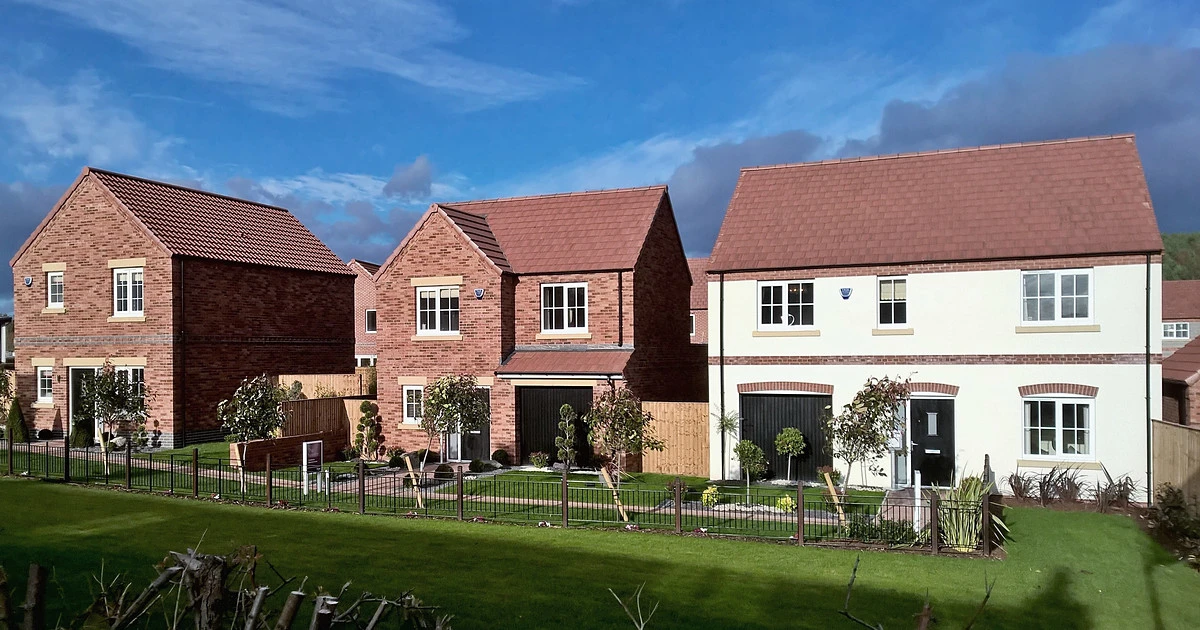
Your First Home is for first-time buyers purchasing a new-build home in England from a developer taking part in the scheme. According to the government’s guide, buyers would use:
a deposit of at least 2.5% of the price
a repayment mortgage from a participating lender
a government equity loan worth 20% of the price, interest-free for the first five years
After that, interest on the equity loan is 1.5% in year six and 3% from year seven. The interest is paid separately from the mortgage and doesn’t reduce the amount owed on the loan.
The loan is linked to the home’s value, so if the value goes up or down, the amount repaid goes up or down with it. Buyers own the home from the day they complete. The government isn’t a joint owner or a landlord.
A Simple Example.
The government’s own example uses a £300,000 new-build home:
Deposit: £7,500 (2.5%)
Equity loan: £60,000 (20%)
Repayment mortgage: £232,500
With a standard 95% mortgage, the same home would typically need a £15,000 deposit. On the government’s assumptions (a 30-year repayment mortgage at 5%), the monthly cost would be about £1,248 in years one to five, against £1,530 with a 95% mortgage. Once equity loan interest starts, that rises to about £1,323 in year six and £1,398 from year seven.
This is the government’s illustration, not a mortgage quote, and it leaves out fees, insurance, council tax and maintenance. It isn’t a Bassetlaw price either. In Bassetlaw the scheme’s price cap is £245,000, so this £300,000 example would be above the local limit.
Rightmove has also looked at what the scheme could mean for choice. Its analysis, published on 2 October before the Budget’s final details, estimates that in the East Midlands the share of currently available new-build homes an average solo first-time buyer could afford would rise from 4% with a 5% deposit and 95% mortgage to 13% under Your First Home. That’s Rightmove’s estimate for the region as a whole, based on the regional average salary and borrowing of 4.5 times salary. It isn’t a Bassetlaw figure.
Who Can Use It.
Buyers will normally need to be first-time buyers, live in the home as their main home, buy within the local price cap and have a household income of £110,000 or less outside London. Lenders will still carry out their usual affordability and credit checks.
Dates to Know.
Before the end of December 2026: pre-registration opens. It doesn’t commit anyone to buying through the scheme.
February 2027: first applications.
April 2027: first sales under the scheme.
What Still Isn’t Known.
The government published the price caps by local authority on 3 November. In Bassetlaw the cap is £245,000. The participating developers and lenders, the full eligibility rules and the repayment guidance are still to come, all before applications open.
Stamp Duty and Other News for Buyers.
The Budget’s tax documents list no change to stamp duty rates for home buyers, first-time buyer relief or the second-home surcharge.
Further ahead, a new First Time Buyer ISA is due from April 2029. It will replace the Lifetime ISA for new savers and pay a 25% government bonus, up to £20,000, towards a first home worth up to £450,000. Existing Lifetime ISA holders can keep using their accounts under the current rules.
What It Means for Landlords.
Tax on property income is going up by a further two percentage points, on top of the rise announced in last year’s Budget. From 6 April 2027 the property rates will be 24% (basic), 44% (higher) and 49% (additional), across England, Wales and Northern Ireland.
The tax documents list no change to capital gains tax rates on property. The government has also published a consultation on how HMRC collects property income data from third parties.
What the Forecasts Say.
The Office for Budget Responsibility (OBR) expects average house prices to grow by around 2% in 2026 and 2.5% in 2027, which is below inflation.
For tenants and landlords, the OBR says the property income tax rises, together with other measures over the past decade, “risk leading to a steady rise in rents”. One reason it gives is that potential landlords are less likely to enter the market, which “risks a steady long-term rise in rents if demand outstrips supply – which we think is more likely than not”. These are forecasts, and forecasts change.
For Sellers: Pricing and Time to Find a Buyer.
Rightmove’s latest figures show how much the asking price matters at the moment. Its analysis published on 19 October found that homes which didn’t need an asking price reduction found a buyer in 39 days on average, compared with 119 days for homes that were reduced. Nearly three-quarters (74%) of homes sold so far this year didn’t need a reduction.
Rightmove’s October 2026 House Price Index makes the same point, saying the message from agents, backed up by its data, is “that competitive pricing from day one of marketing is critical to capitalise on initial buyer interest”. Neither source gives figures for Bassetlaw.
Things to Weigh Up.
The government’s guide lists what buyers should think about before applying: whether they could afford higher mortgage rates in future, the equity loan interest, legal and mortgage fees, and running costs such as council tax, insurance and maintenance. It also recommends independent financial and legal advice. The team at AJ would always suggest speaking to a mortgage adviser before deciding anything, and landlords may want to check the new rates with their accountant.
AJ will update this post once the full scheme guidance is published. In the meantime, if you have questions about buying or letting in Retford or Bassetlaw, call the team on 01777 566400.
Call us on 01777 566400 or visit alexanderjacob.co.uk.
Honest. Human. Here for You.
We're estate agents, not financial or tax advisers. Please speak to a qualified mortgage adviser, and landlords to their accountant, before making financial decisions.
Sources: GOV.UK Budget 2026 document and overview of tax legislation and rates (28 Oct 2026); GOV.UK Your First Home guide and local authority price caps (3 Nov 2026); OBR Economic and Fiscal Outlook, October 2026; Rightmove analysis (2 Oct and 19 Oct 2026) and October 2026 House Price Index. Photo: 'New build housing at Ollerton' by Chris Morgan, CC BY-SA 2.0, via Wikimedia Commons. Cropped and lightly colour-adjusted by Alexander Jacob.