Should You Update Your Home Before Selling? The Honest Pros and Cons.
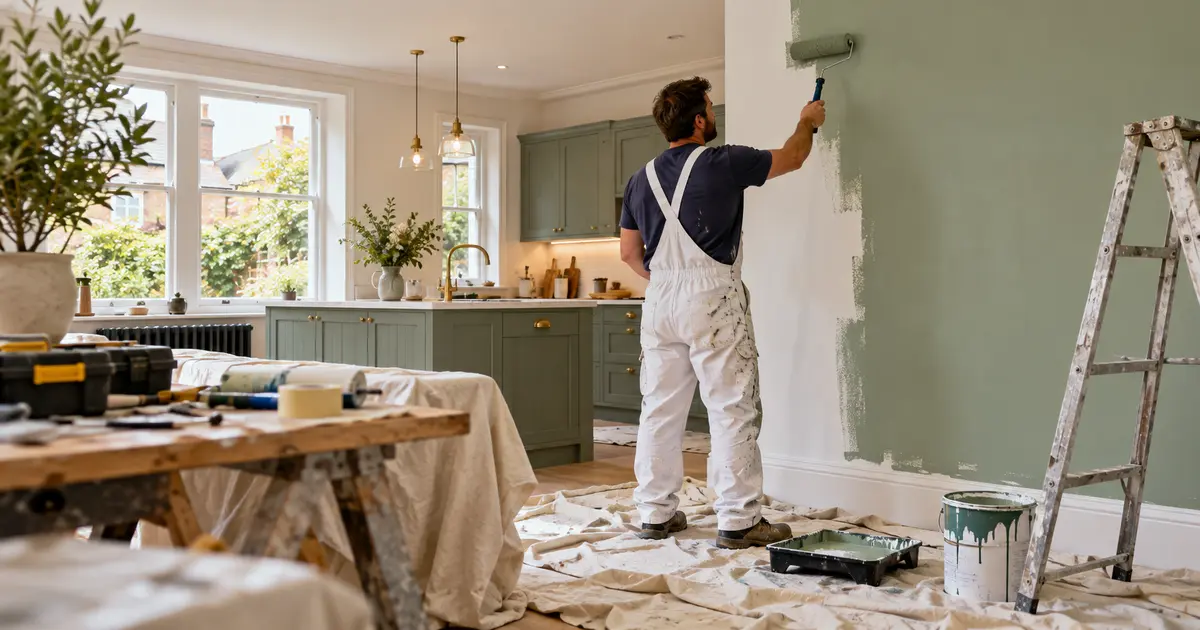
It's one of the questions we're asked most often at valuations: "Should we do anything to the house before we put it on the market?" The honest answer is: it depends. Some updates pay for themselves several times over. Others cost a fortune and add almost nothing. Here's how we'd think it through.
The case for updating.
First impressions sell homes. Most buyers decide how they feel about a property within moments of walking in, and long before that, in the first few photos online. A fresh, neutral, well-kept home photographs better, gets more viewings and tends to attract stronger offers. It removes reasons to haggle. Every scuffed wall, dripping tap or broken handle gives a buyer a reason to knock money off. Small fixes take away that ammunition. It widens your audience. Many buyers, especially first-timers, have stretched themselves for the deposit and have little left over for work. A home that's ready to move into appeals to far more people. It can speed things up. Homes that need little work often sell faster, and a smoother survey means fewer renegotiations later on.
The case against.
You rarely get your money back on big projects. A brand-new kitchen or bathroom can cost tens of thousands. It might help you sell, but it seldom adds its full cost to the price, particularly if it's not to the buyer's taste. Your taste isn't their taste. Many buyers want to put their own stamp on a home. Spending heavily on finishes they'll rip out is money down the drain. Time costs money. Delaying your sale by months to complete works can mean missing the market, paying more mortgage interest or losing your onward purchase. There's a market for projects. Some buyers actively look for homes that need updating. As we often tell first-time buyers, cosmetic fixer-uppers can be a great opportunity, which means there's a ready audience for them.
Our rule of thumb: refresh, don't renovate.
The updates that almost always make sense are low-cost and high-impact:
Declutter properly. Less stuff makes rooms feel bigger.
Deep clean, including windows, carpets, grout and ovens.
Repaint tired or bold walls in light, neutral tones.
Fix the small things: dripping taps, sticking doors, loose handles, blown bulbs.
Tidy the outside. Mow, weed, jet-wash the drive and paint the front door. Kerb appeal starts the viewing before anyone walks in.
Refresh, don't replace: new cupboard doors or handles can lift a dated kitchen at a fraction of the cost.
The things you should fix.
Some issues are worth sorting before you list because they'll come up on a survey anyway: damp, roof leaks, electrical or boiler problems. It's also worth making sure you have the paperwork for any past work, such as building regulations sign-off, FENSA certificates for windows and boiler service records. Missing paperwork is one of the most common causes of delays during conveyancing.
The things to think twice about.
Major extensions or loft conversions just to sell. Brand-new kitchens and bathrooms. Highly personal design choices. Swimming pools, hot tubs and expensive landscaping. Ask before you spend The best advice we can give is to get a valuation before you lift a paintbrush. A good local agent will tell you honestly what buyers in your area are looking for, what's worth doing and what you can safely leave. In Retford and Bassetlaw, what works for a Victorian terrace near the town centre is very different to what works for a family home on the outskirts.
At Alexander Jacob, we'll walk round your home with you and tell you exactly what we'd do, and what we wouldn't. No hard sell, just honest advice.
Call us on 01777 566400 or visit alexanderjacob.co.uk.
Honest. Human. Here for You.
Sources: Evergreen advice; aligns with AJ 'Don't write off cosmetic fixer-uppers' first-time buyer content.